
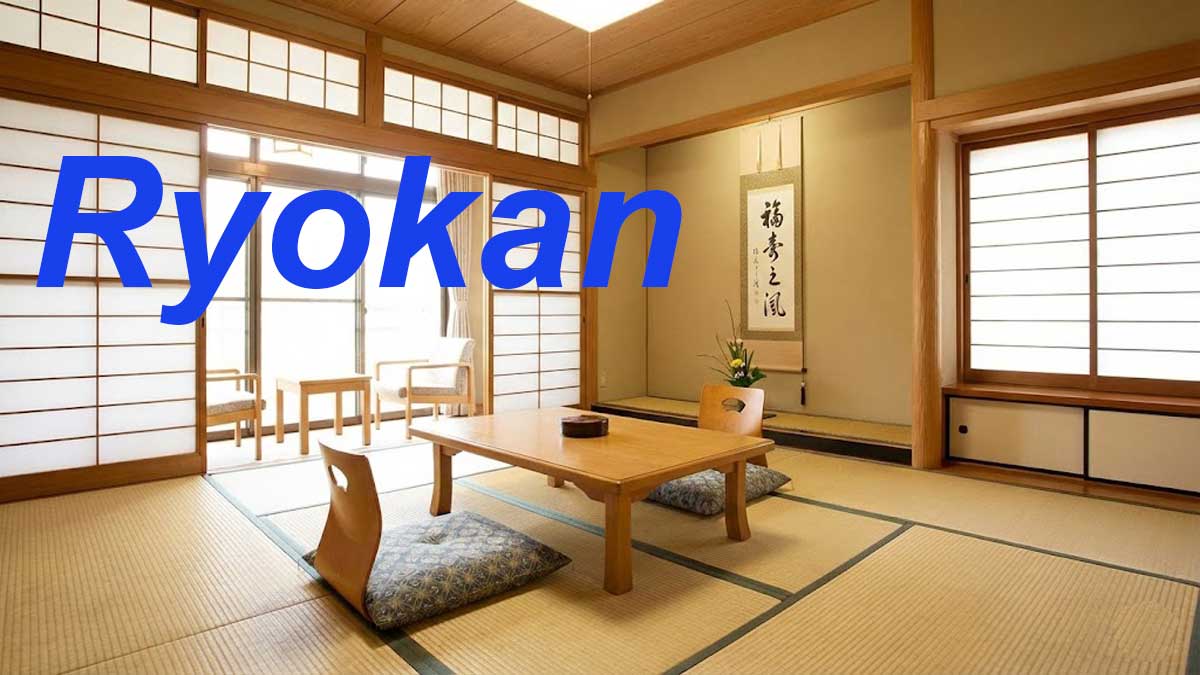
Staying in a Western hotel is comfortable, but staying in a Ryokan is an unforgettable cultural experience. With Tatami floors, sliding paper doors, and hot springs, this is where you experience the soul of Japan. Here is everything you need to know before you book.
1. The Room: Tatami and Futons
A Ryokan room looks very different from a standard hotel room.
- No Shoes: You must take off your shoes at the entrance of the inn (Genkan). Inside the room, you walk on Tatami (straw mats) in your socks or bare feet.
- The Bed: There is no bed! During the day, the room has a low table and chairs. While you are eating dinner, the staff will come in and lay out Futons (Japanese mattresses) on the floor for you to sleep on. It is surprisingly comfortable.
2. The Clothes: Wearing a “Yukata”
In your room, you will find a cotton robe called a Yukata.
- When to wear it: You can wear this not just in your room, but everywhere inside the Ryokan—even to dinner or the lobby! It is pajama-like but considered formal wear within the inn.
- The Golden Rule: Always wrap the Left side over the Right side. (Right over left is only used for deceased people at funerals, so be careful!).
3. The Food: “Kaiseki” Dinner
One of the main reasons to stay at a Ryokan is the food. Most plans include Kaiseki Ryori, a traditional multi-course dinner featuring local, seasonal ingredients. It is often served directly in your room, so you can eat privately in your Yukata.
4. The Bath: Onsen (Hot Springs)
Most Ryokans have a communal public bath, often fed by natural hot springs.
- Wash first: You must wash your body thoroughly before entering the bathtub.
- No swimsuits: You must be completely naked.
- Relax: Do not swim or splash. Just soak and relax.
Summary: Is it Worth the Price?
Ryokans are often more expensive than hotels (usually priced “per person” rather than “per room” because meals are included). However, we highly recommend booking a Ryokan for at least one night of your trip to experience true Japanese hospitality (Omotenashi).
Read Next:


Comments