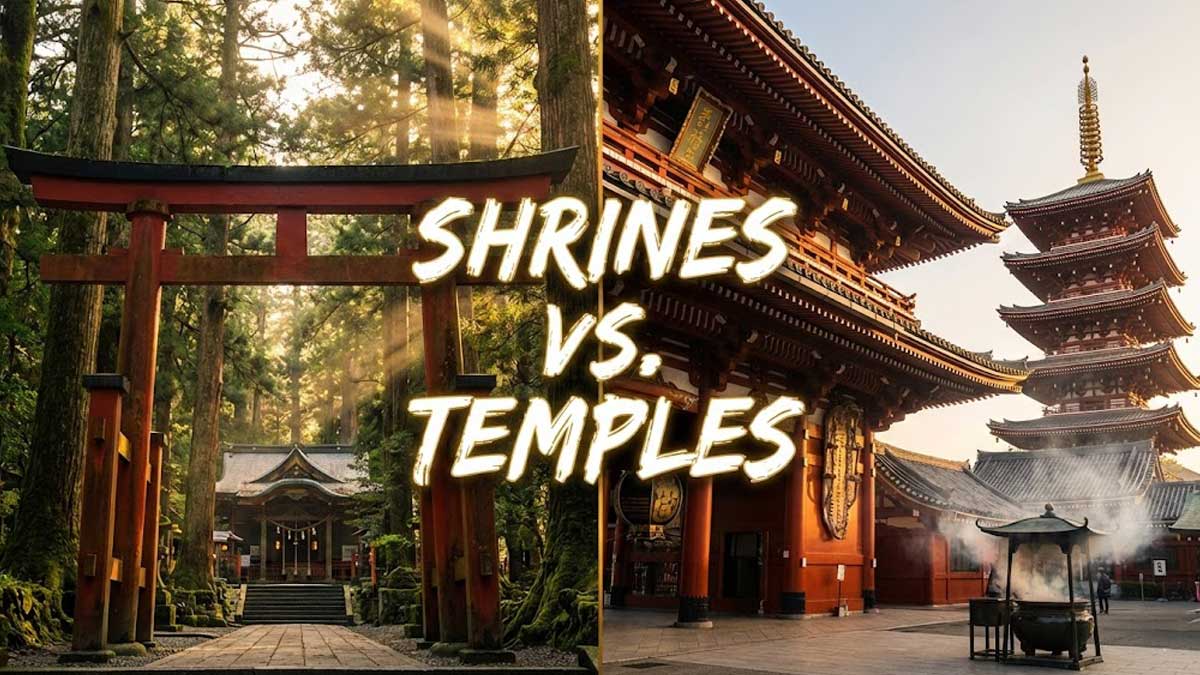
When walking around Japan, you will see religious sites everywhere. But are they Shrines? Or are they Temples? And more importantly, how do you pray without offending anyone?
To the untrained eye, they look similar. However, they belong to two different religions: Shinto (Japan’s indigenous spirituality) and Buddhism (imported from India and China).
Here is a simple guide to understanding the difference and mastering the etiquette.
Quick Comparison: At a Glance
| Feature | Shrine (Jinja) | Temple (Tera) |
| Religion | Shinto | Buddhism |
| Entrance | Torii Gate (Often Red) | Sanmon Gate (Roof & Wood) |
| Guardians | Fox, Lion-dog | Buddha Statues |
| Ritual | Clap hands (2-2-1) | Silent prayer (No clapping) |
| Focus | Nature, Life, Celebration | Afterlife, Enlightenment |
1. How to Tell the Difference
Before you enter, look at the entrance.
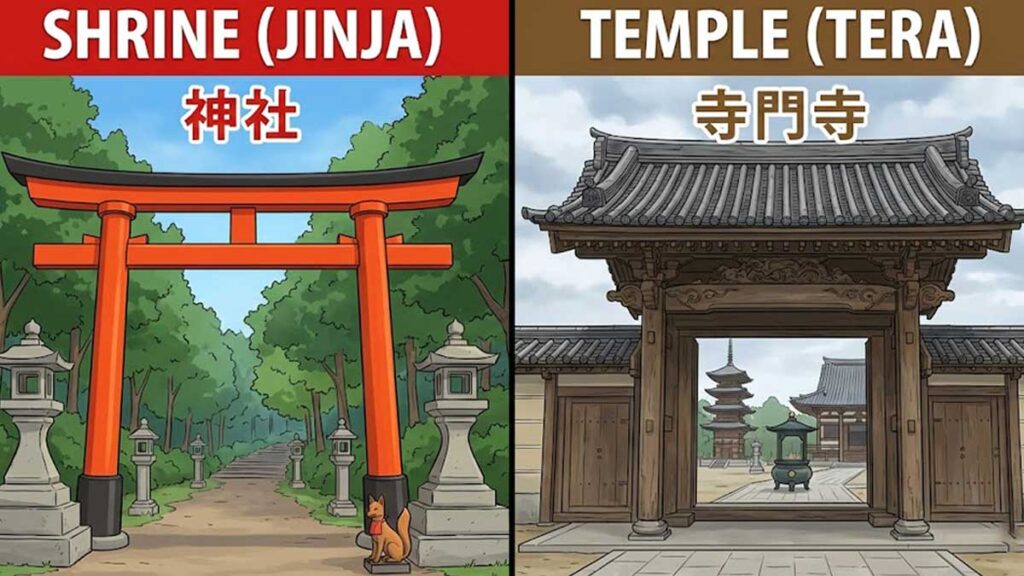
Shrines (Jinja) = Shinto
- Look for: A Torii Gate. This iconic structure (often red or orange) marks the boundary between the spirit world and the human world.
- Vibe: Often focused on nature, purification, and celebrating life events (weddings, birth).
- Famous Example: Meiji Jingu in Tokyo or Fushimi Inari in Kyoto.
Meiji Jingu is the perfect place to experience a serene Shinto shrine.
[LINK: First Time in Tokyo? 3 Neighborhoods You Must Visit (Shibuya, Asakusa, Akihabara)]
Temples (Tera) = Buddhism
- Look for: A large wooden Sanmon Gate (often with a heavy roof) and statues of Buddha inside. You might also smell incense burning.
- Vibe: Focused on enlightenment, the afterlife, and funerals.
- Architecture: Often feature a Pagoda (tiered tower) and a graveyard.
- Famous Example: Senso-ji in Asakusa or Kinkaku-ji (Golden Pavilion) in Kyoto.
Kyoto is the capital of temples. Don’t miss the Golden Pavilion!
[LINK: Kyoto’s Top 3 Must-Visit Spots: From Bamboo Groves to Golden Temples]
2. The Purification Ritual (Chozuya)
Before approaching the main hall of a Shrine (and many Temples), you will see a water basin with ladles. This is to purify your body before praying.
- Take the ladle with your right hand and pour water over your left hand.
- Switch hands and wash your right hand.
- Pour some water into your left hand and rinse your mouth (do not touch the ladle directly to your mouth).
- Lift the ladle vertically to wash the handle with the remaining water.
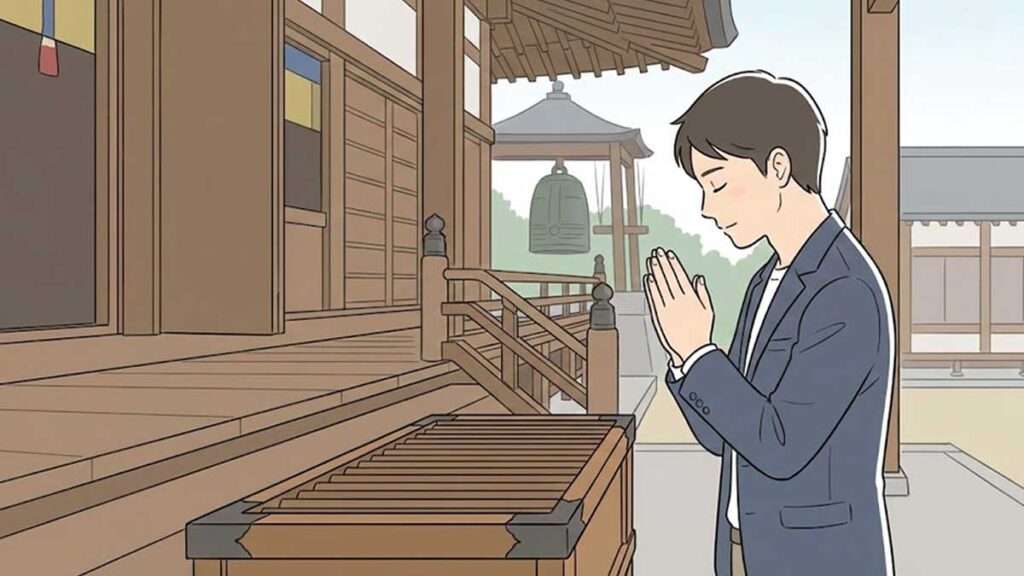
3. How to Pray (The Golden Rule)
This is where most travelers get confused. The praying style is different!
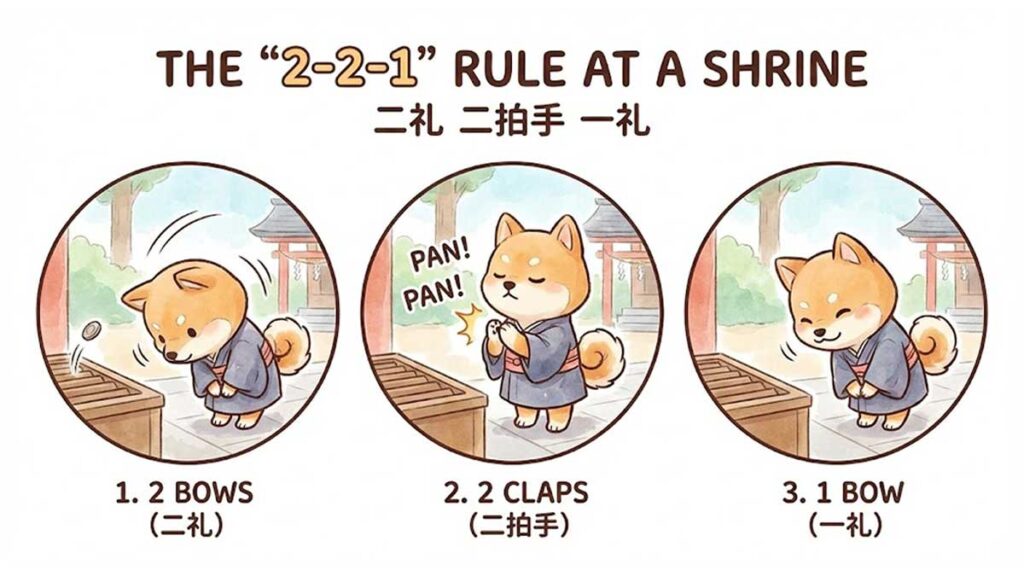
At a Shrine (The “2-2-1” Rule)
- Throw a coin into the offering box gently.
- Ring the bell (if there is one) to wake up the gods.
- Bow twice deeply.
- Clap your hands twice. (👏 👏)
- Make your wish (silently).
- Bow once more.
You might see locals throwing a “5-yen coin” (Go-en). In Japanese, “Go-en” sounds the same as the word for “Destiny” or “Good Relationship.” By throwing it, you are asking for a good connection with the gods!
At a Temple (Silent Prayer)
- Throw your coin into the box.
- (Optional) Light incense if available and wave the smoke towards you (it is said to heal weak parts of your body).
- Bow slightly.
- Put your hands together in prayer. DO NOT CLAP. 🤫
- Make your wish silently.
- Bow once more.
4. Fun Things to Do
Visiting these sites isn’t just about praying. Here are three activities you can try:
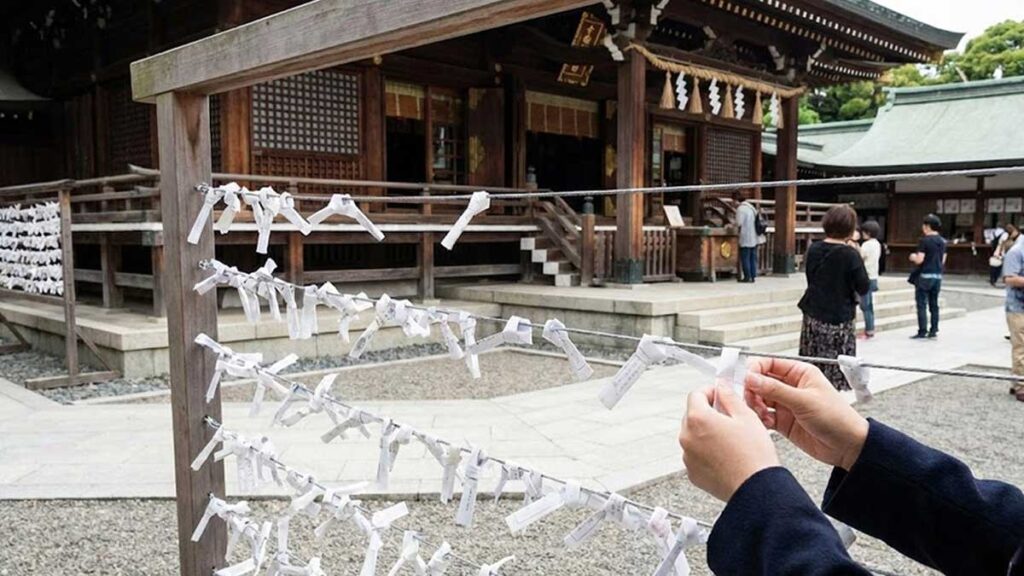
- Omikuji (Fortune Slips): For 100–200 yen, you can buy a fortune. If you get a “Bad Luck” (Kyo) fortune, tie it to the designated wire rack to leave the bad luck behind.
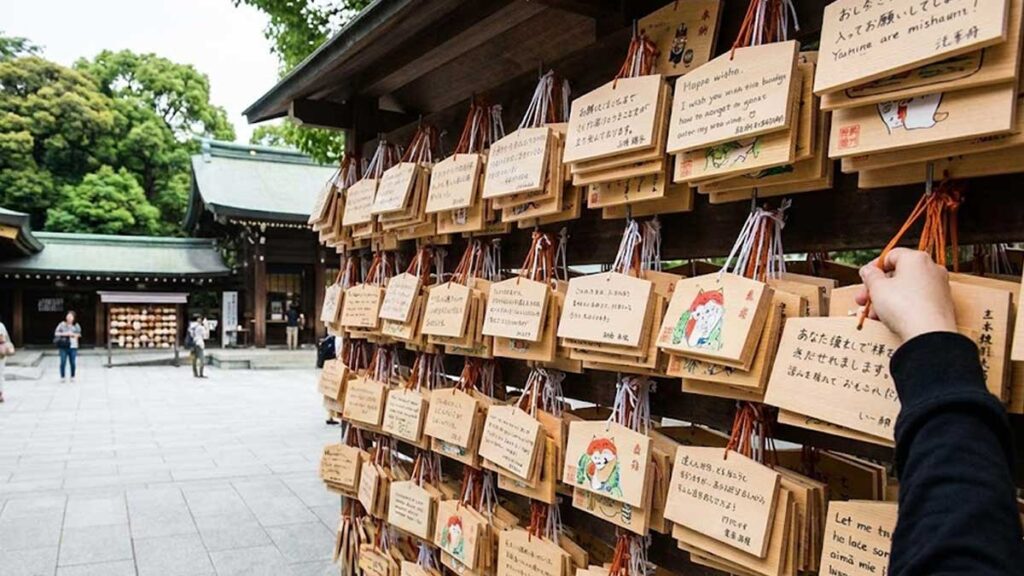
- Ema (Wooden Plaques): Write your specific wish (pass an exam, find love, health) on a wooden board and hang it up at the shrine.
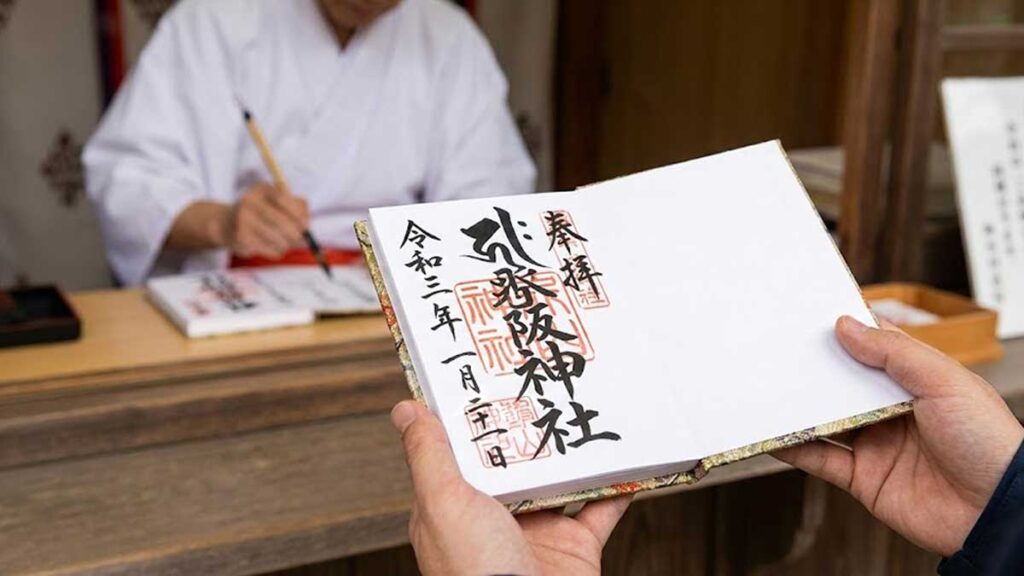
- Goshuin (Stamp Books): Many travelers collect “Goshuin”—beautiful hand-written calligraphy stamps collected in a special book (Goshuin-cho). It makes for the ultimate souvenir.
Planning a trip to Tokyo?
Tokyo is a vast city with endless things to see. To save time and skip the lines at popular attractions, or to book easy day trips, check out the options on Klook.
Find Best Things to Do in Tokyo on KlookSummary
Don’t worry too much if you make a mistake. The gods and Buddha are forgiving! The most important thing is to show respect.
- See a Torii gate? -> Clap (2-2-1).
- See a Buddha statue? -> Silent prayer.
Enjoy the spiritual side of Japan!

Comments