
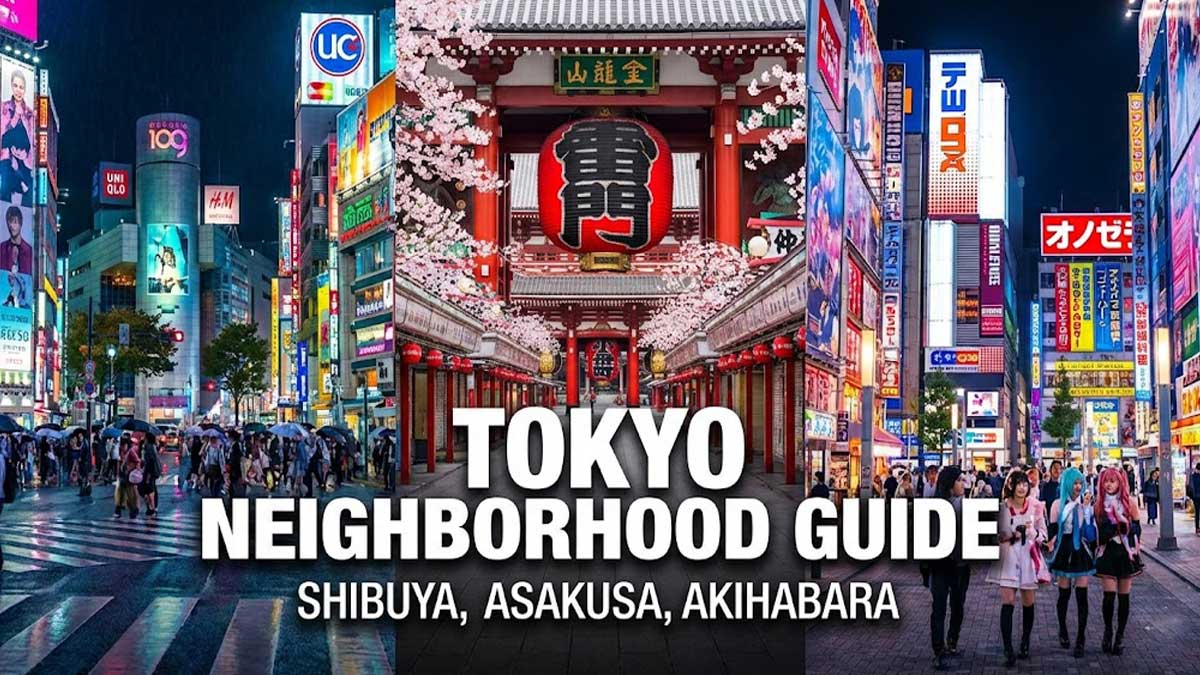
Tokyo isn’t just one city; it’s a collection of distinct worlds. One minute, you are surrounded by neon lights and futuristic robots; the next, you are breathing in the incense of an ancient temple.
If you are planning your first trip to Japan, the sheer size of Tokyo can be overwhelming. Where should you start? To truly understand the contrasting faces of this city, you need to visit these three essential neighborhoods: Shibuya, Asakusa, and Akihabara.
(Table of Contents)
- Shibuya: The Modern Heartbeat
- Asakusa: Traditional Japan
- Akihabara: The Pop Culture Mecca
- Transit Tips: Getting Around Efficiently
1. Shibuya: The Modern Heartbeat
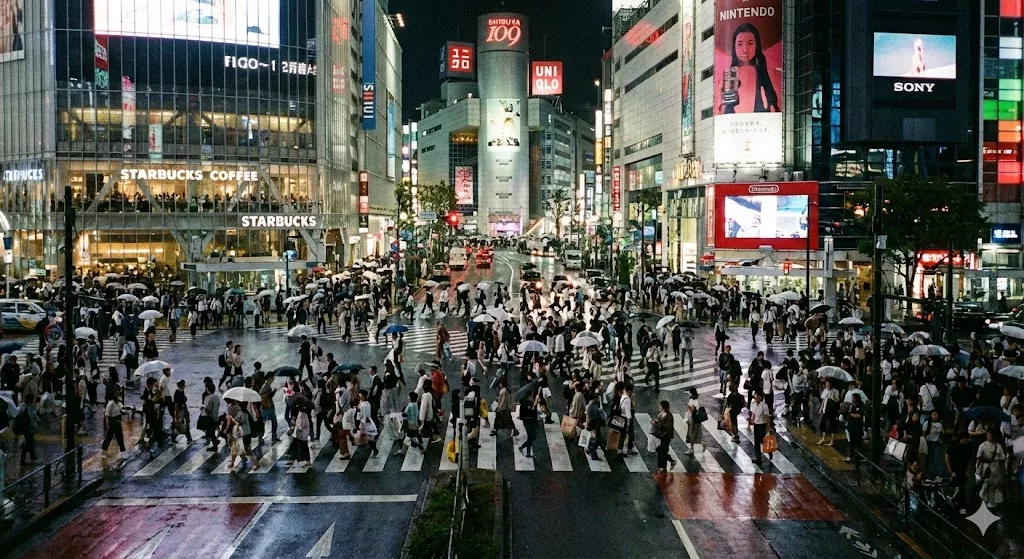
If you have seen a movie about Tokyo (like Lost in Translation), you have seen Shibuya. This is the center of youth culture and fashion.
- The Highlight: Shibuya Scramble Crossing Rumored to be the busiest intersection in the world, up to 3,000 people cross here at once when the light turns green. It is organized chaos at its best.
- Must-See: Hachiko Statue Right outside the “Hachiko Exit” of the station stands the statue of the loyal dog, Hachiko. It is Tokyo’s most famous meeting spot.💡 Insider Tip: The Hachiko area is extremely crowded. If you want a great photo of the crossing from above, head to “Shibuya Sky” (an observation deck) or the Starbucks in the Tsutaya building across the street.
2. Asakusa: Traditional Japan
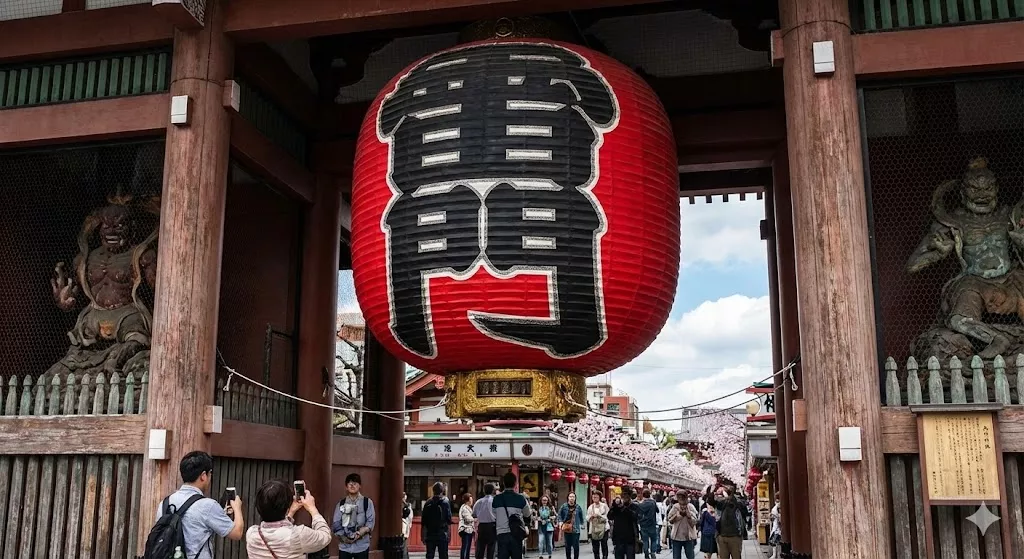
Do you want to see what Tokyo looked like 100 years ago? Asakusa offers a glimpse into the historic “Edo” period.
- The Highlight: Senso-ji Temple Tokyo’s oldest and most vibrant temple. The giant red lantern at the “Kaminarimon” gate is an iconic photo spot.
- Shopping: Nakamise Street Leading up to the temple is a bustling street filled with traditional stalls.💡 What to Eat: Don’t miss the fresh “Ningyo-yaki” (doll-shaped cakes) or a crispy “Melon Pan” (sweet bread). They are perfect snacks while walking!
3. Akihabara: The Electric Town
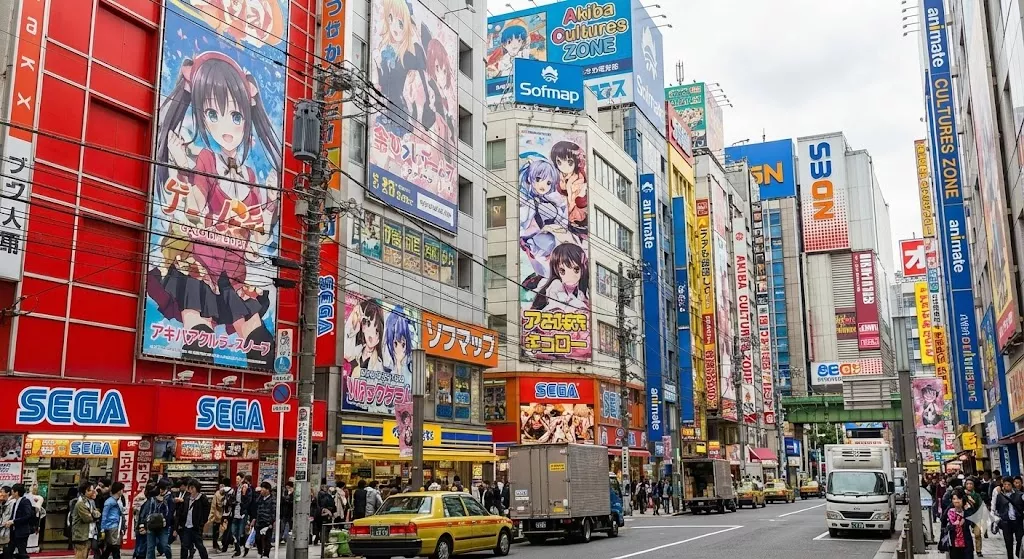
Known as “Akiba,” this is the world headquarters for Anime, Manga, and Gaming fans. Even if you aren’t an Otaku (geek), the energy here is undeniable.
- The Highlight: Chuo-dori Street On Sundays, the main street becomes a pedestrian-only zone (Hokousha Tengoku). You will see massive anime billboards, cosplayers, and multi-story electronics stores like Yodobashi Camera.
- For Gamers: Super Potato Visit “Super Potato” to find vintage retro games from the 80s and 90s. It’s like stepping into a time machine.💡 Unique Experience: Try visiting a Maid Cafe. It’s a unique Japanese subculture experience where servers dress as maids and treat you like a master or princess.
4. How to Get Around: Transit Tips
Tokyo’s train system is complex, but for these three areas, you only need to know two major lines.
🚃 The Key Lines to Remember
- JR Yamanote Line (Green): A loop train connecting Shibuya and Akihabara.
- Ginza Subway Line (Yellow): Connects Shibuya and Asakusa directly.
📍 Route Cheat Sheet
Here is the easiest way to travel between the neighborhoods:
1. Shibuya ↔ Akihabara
- Best Route: JR Yamanote Line (Green)
- Time: Approx. 28 mins
- Transfer: None (Direct)
2. Shibuya ↔ Asakusa
- Best Route: Ginza Subway Line (Yellow)
- Time: Approx. 35 mins
- Transfer: None (Direct!) (Start at station G01 and ride to G19)
- Note: You can take the JR line, but the Subway is easier because you don’t need to transfer.
3. Akihabara ↔ Asakusa
- Best Route: JR Yamanote Line + Ginza Line
- How to go:
- Take the JR Yamanote Line (2 stops) to Ueno Station.
- Transfer to the Ginza Line (Yellow) for Asakusa.
- Note: Asakusa is not on the JR line, so you must transfer!
Read Next:


Comments