
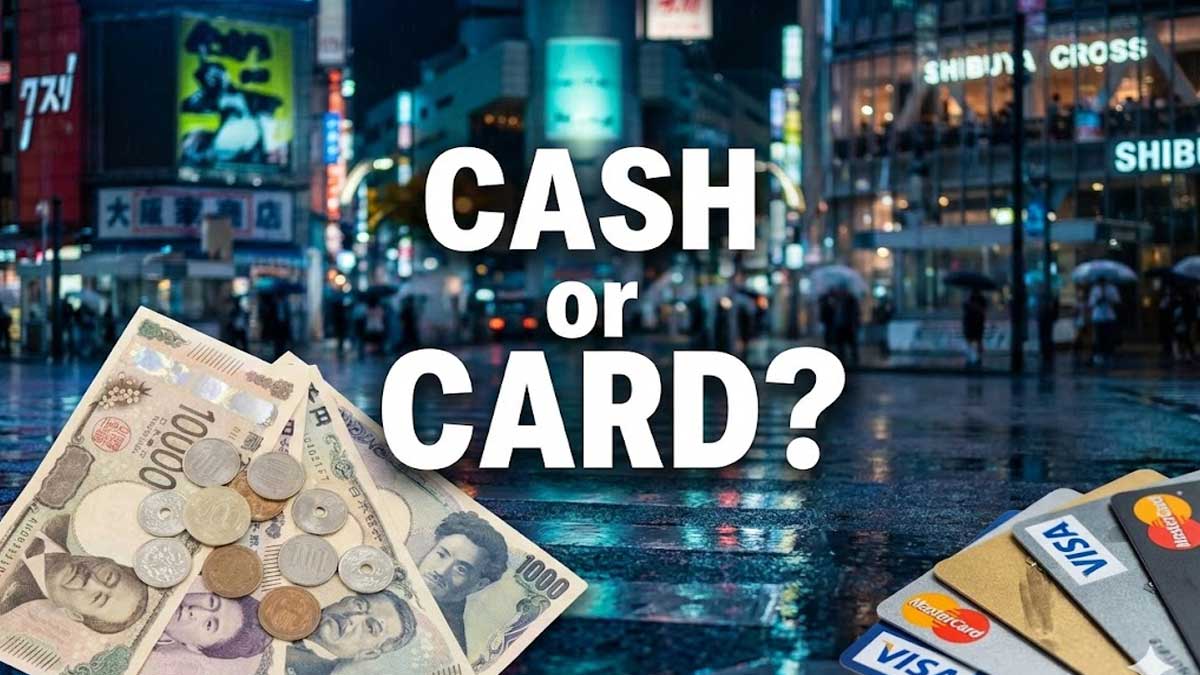
“Cash is King in Japan.” You might have heard this phrase before. Ten years ago, it was true. But in 2026? Things have changed dramatically.
However, do not leave your wallet at home just yet. While Tokyo is becoming cashless, there are still many traps where credit cards are useless. Here is the ultimate guide to money in Japan, how to get Yen, and when you absolutely need cash.
Contents
- The Truth: Is Japan Still a “Cash Society”?
- When You Absolutely Need Cash (The “Danger Zones”)
- How to Get Cash: The 7-Eleven ATM is Your Savior
- Credit Card Tips: Avoiding the “DCC” Trap
- The Third Option: IC Cards (Suica/Pasmo)
- Summary
1. The Truth: Is Japan Still a “Cash Society”?
The short answer: 50/50. In major cities like Tokyo and Osaka, you can use your Visa or Mastercard at department stores, hotels, and most convenience stores. However, compared to the US or Europe, Japan still loves cash. You cannot survive a whole trip with just an iPhone and a credit card. You will encounter shops that say “Cash Only.”
2. When You Absolutely Need Cash (The “Danger Zones”)
Always keep at least 10,000 yen to 20,000 yen ($70-$150) in your wallet for these situations:
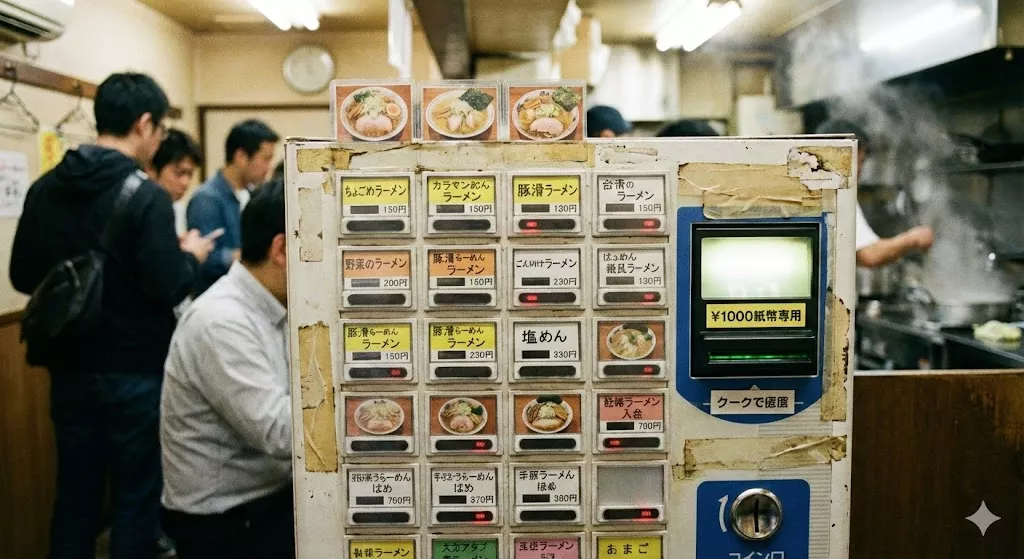
- Ramen Shops: Many authentic ramen shops use old-school ticket machines that only accept bills and coins.
- Shrines & Temples: Buying an Omamori (charm) or paying the entrance fee often requires cash.
- Rural Areas: If you leave the big city, credit card acceptance drops significantly.
- Small Izakaya (Pubs): Some tiny, local bars are cash-only to avoid transaction fees.
- Street Food: Buying Takoyaki or Yakitori at a stall.
3. How to Get Cash: The 7-Eleven ATM is Your Savior
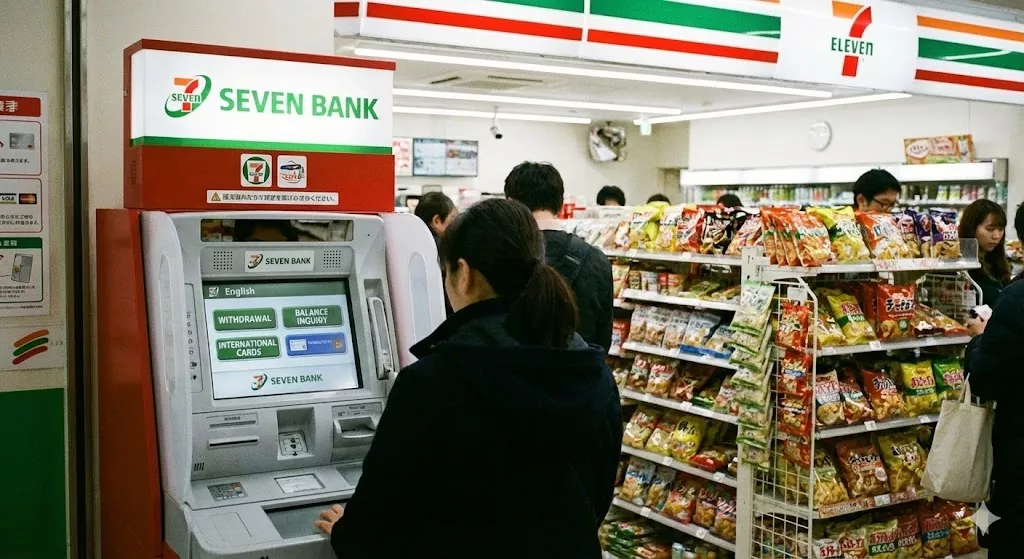
Do not exchange money at the airport in the US. The exchange rates are terrible. The best way to get Yen is to withdraw it from an ATM in Japan.
- Where to go: Look for a 7-Eleven. They are everywhere (over 20,000 stores).
- Why: Their “Seven Bank” ATMs work perfectly with foreign cards (Visa, Mastercard, Amex, Cirrus, Plus).
- Language: The interface has an English button.
- Limit: You can usually withdraw up to 100,000 yen at once.
- Pro Tip: Notify your bank before you travel so they don’t block your card for “suspicious activity.”
4. Credit Card Tips: Avoiding the “DCC” Trap
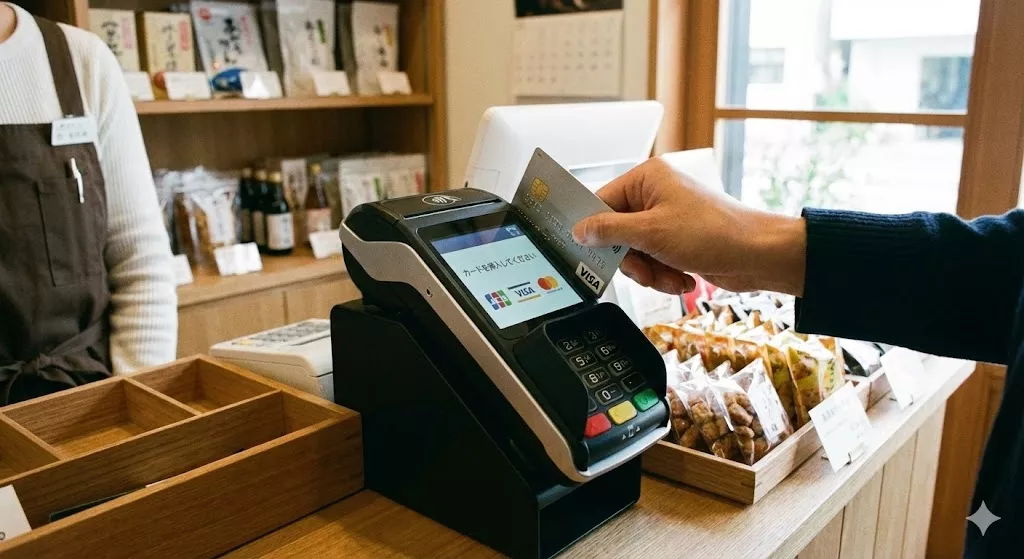
When you pay with a credit card at a shop, the terminal might ask you: “Pay in JPY (Yen) or USD (Dollars)?”
ALWAYS choose JPY (Yen).
If you choose USD, the shop sets the exchange rate (Dynamic Currency Conversion), which is usually very bad (you lose 3-5%). If you choose JPY, your credit card company does the conversion at a fair market rate.
5. The Third Option: IC Cards (Suica/Pasmo)
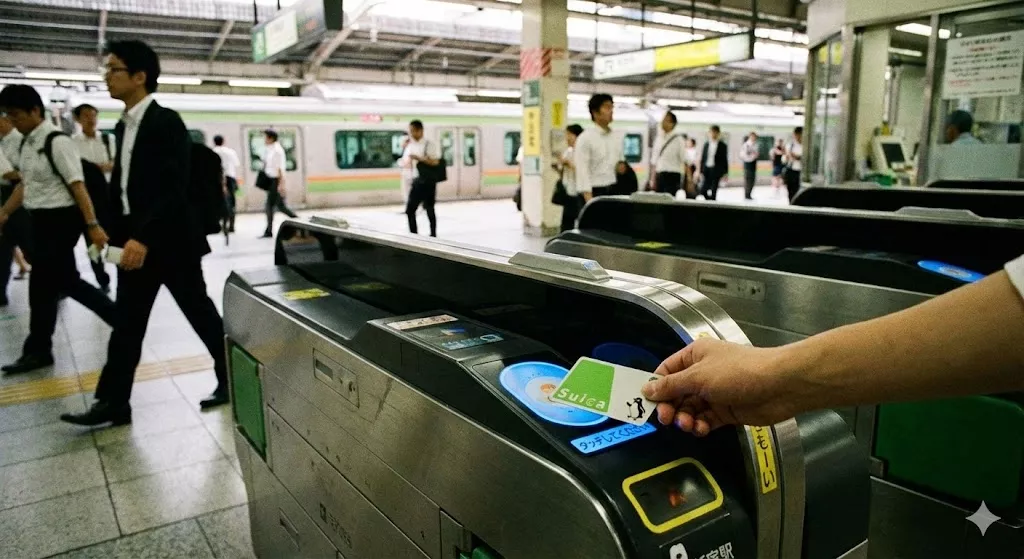
Remember the Suica card we talked about for trains? It is also a powerful “Digital Wallet.” Many vending machines and coin lockers that don’t take credit cards will take Suica. If you run out of cash, your Suica might save you. (Link to your “Ultimate Guide to IC Cards” article here)
Summary
Japan is modernizing, but cash is still essential for the best local experiences.
- Bring your Credit Card (Visa/Mastercard) for hotels and big shopping.
- Use a 7-Eleven ATM to withdraw Yen as soon as you arrive.
- Keep 10,000 yen in your pocket for ramen, shrines, and emergencies. With this balance, you will navigate Japan’s economy like a pro.
Read Next:
- How to Order Ramen in Japan: Mastering the Ticket Machine & Broth Types
- How to Enjoy a Japanese “Izakaya”: The Ultimate Guide to Pub Culture


Comments