
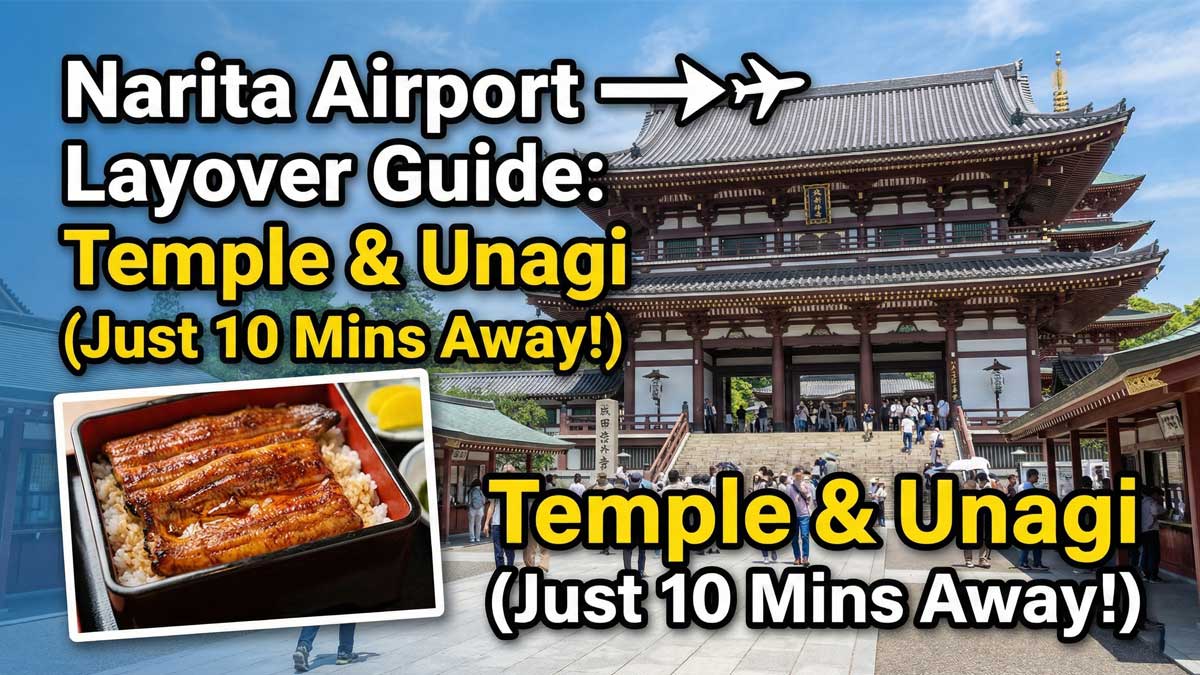
Do you have a long layover (3+ hours) at Narita Airport? Don’t spend it sitting on a bench!
Just 10 minutes by train from the airport lies one of Japan’s most famous and historical temples: Naritasan Shinshoji Temple (成田山新勝寺).
Here is a quick guide on how to turn your boring wait into a mini Japanese adventure.
Step 1: Store Your Luggage
First, leave your heavy suitcases at the airport! There are many Coin Lockers and Baggage Storage Counters at Narita Airport terminals. Exploring the temple with a huge suitcase is very difficult because of the stairs and slopes. Travel hands-free!
Step 2: Take the Train (10 Mins)
Go to the basement floor of the airport and take the train.
- Line: Keisei Line (Main Line) or JR Line
- Destination: “Keisei Narita Station” or “JR Narita Station”
- Time: Approx. 10 minutes
- Cost: Approx. 270 yen
Both stations are located right next to each other. Once you exit the station, you will see the entrance to the “Omotesando” (Main Street).
Step 3: Walk the “Omotesando” Street
The walk from the station to the temple takes about 15-20 minutes, but this street is part of the fun! It is lined with traditional wooden buildings, souvenir shops, and restaurants.
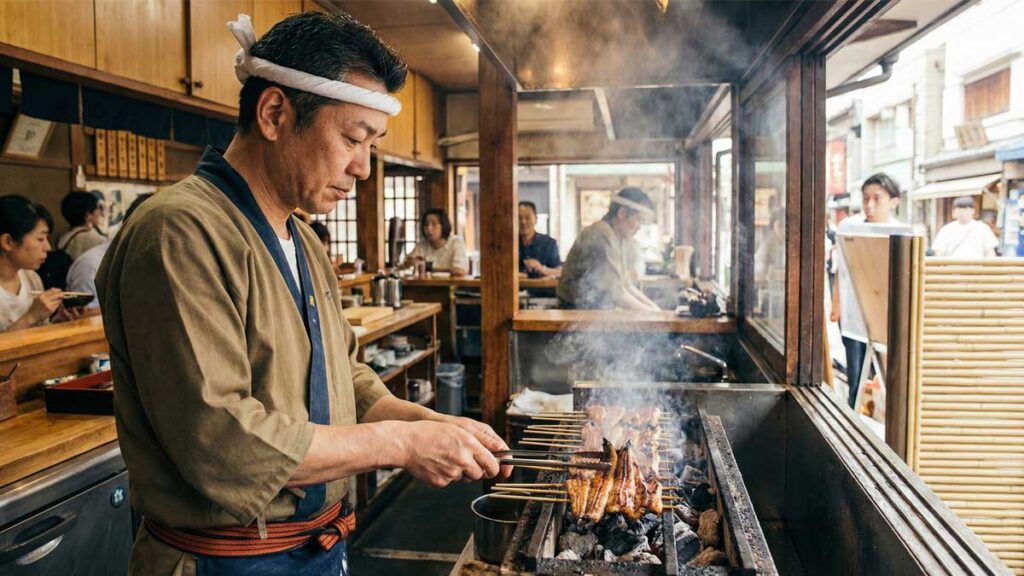
Must-Eat Gourmet: Famous “Narita Unagi” (Grilled Eel)
As you walk down the Omotesando street, you will smell something delicious. It is Unagi (Grilled Freshwater Eel), the soul food of Narita.
In the past, pilgrims visiting the temple ate Unagi to gain energy for their long journey. Today, it is a luxury delicacy that you must try!
- The Spectacle: Many restaurants grill the eel right in front of the shop. You can watch the chefs skillfully filleting and grilling the eel over charcoal. It makes for a great video!
- The Taste: The eel is dipped in a sweet soy-based sauce and served over rice (Unaju). It is soft, fluffy, and incredibly tasty.
- Price: A standard set costs around ¥3,000 to ¥5,000. It’s not cheap, but it is worth every yen.
💡 Pro Tip: How to Skip the Line Popular shops like “Kawatoyo” are extremely busy.
- Go to the shop FIRST and get a numbered ticket.
- Visit the temple while you wait for your number.
- Check the wait time online (many shops have a QR code system) and come back to eat!
Step 4: Visit the Temple (Naritasan Shinshoji)
This temple has over 1,000 years of history. The grounds are huge and beautiful.
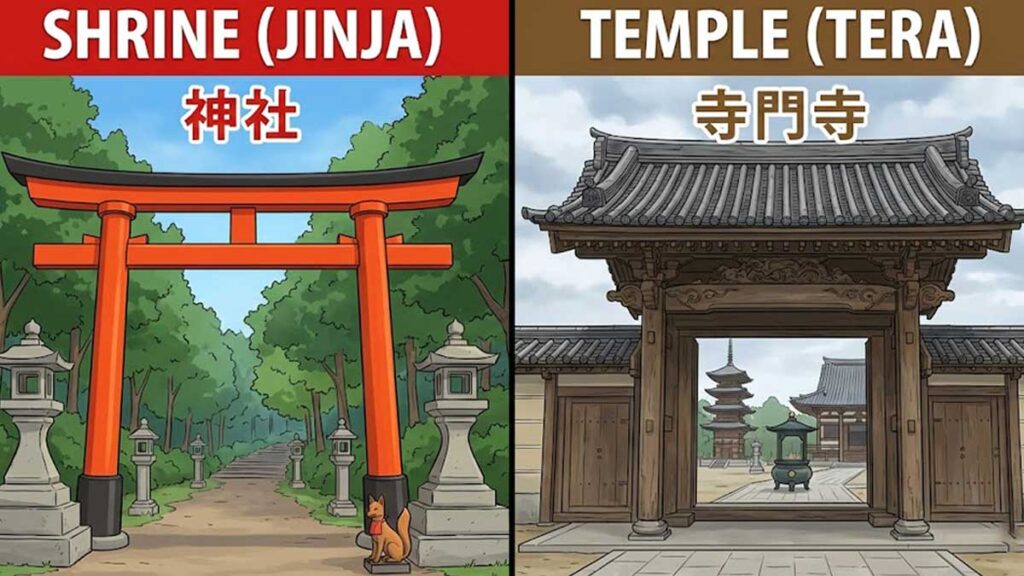
💡 Important: It’s a Temple, Not a Shrine!
Japan has “Shrines” and “Temples.” Naritasan is a Temple (Tera). Do not clap your hands here!
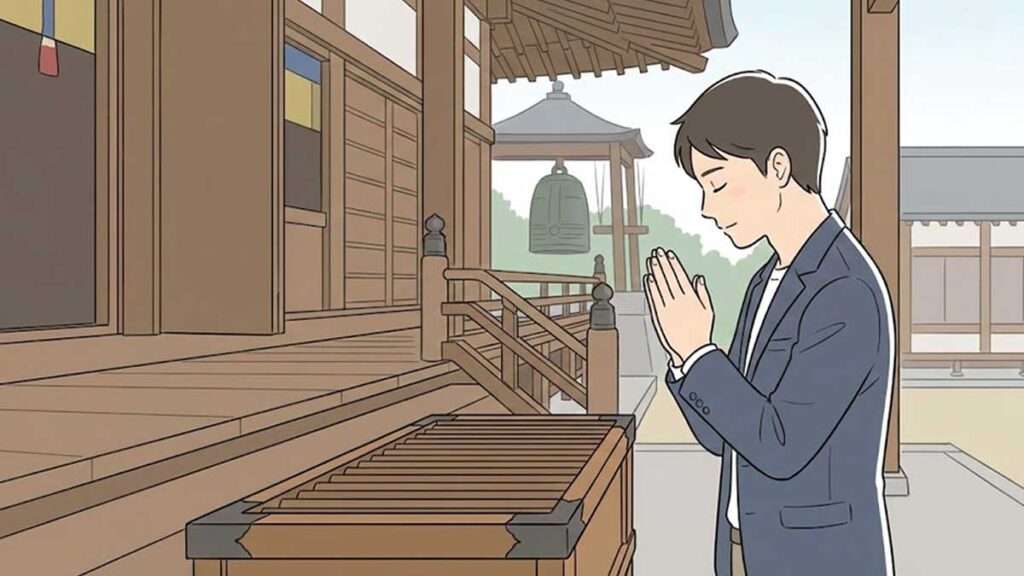
How to Pray at a Temple:
- Bow once before the gate.
- Put money in the box (Saisen).
- Put your hands together quietly (Gassho). NO CLAPPING!
- Pray.
- Bow once before leaving.
Try “Omikuji” (Fortune Telling)
While you are there, try your luck! If you get a “Bad Fortune” (Kyo), remember the rule:
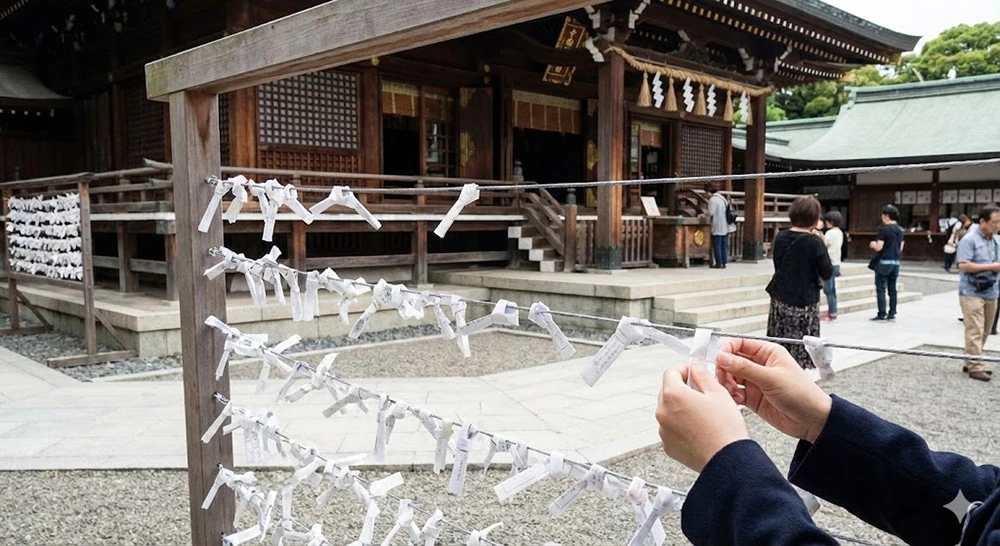
Tie the bad fortune to the designated rack to leave the bad luck behind. If you get a Good Fortune, take it home!
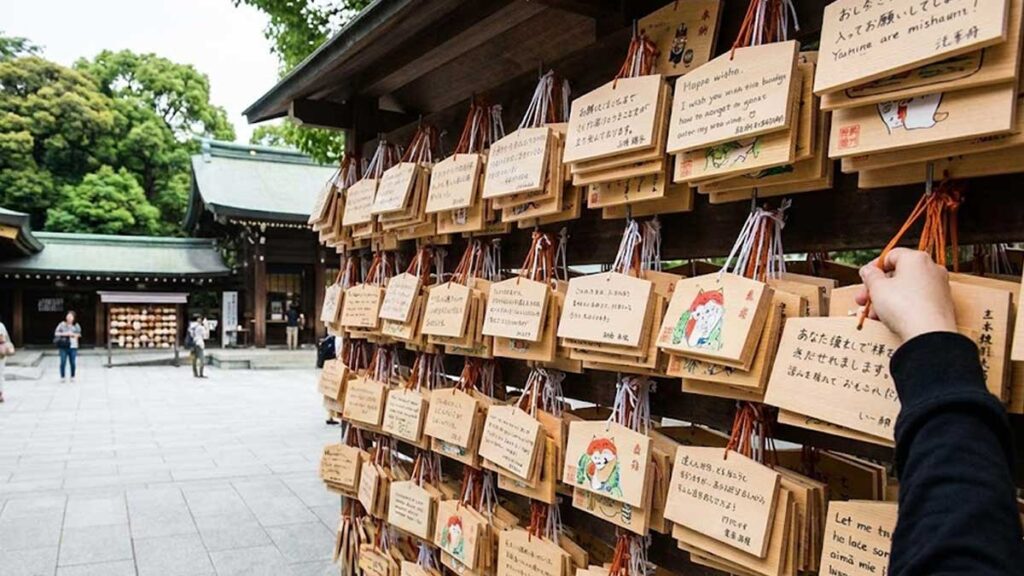
Make a Wish with “Ema”
Write your wish on a wooden plaque called an Ema.
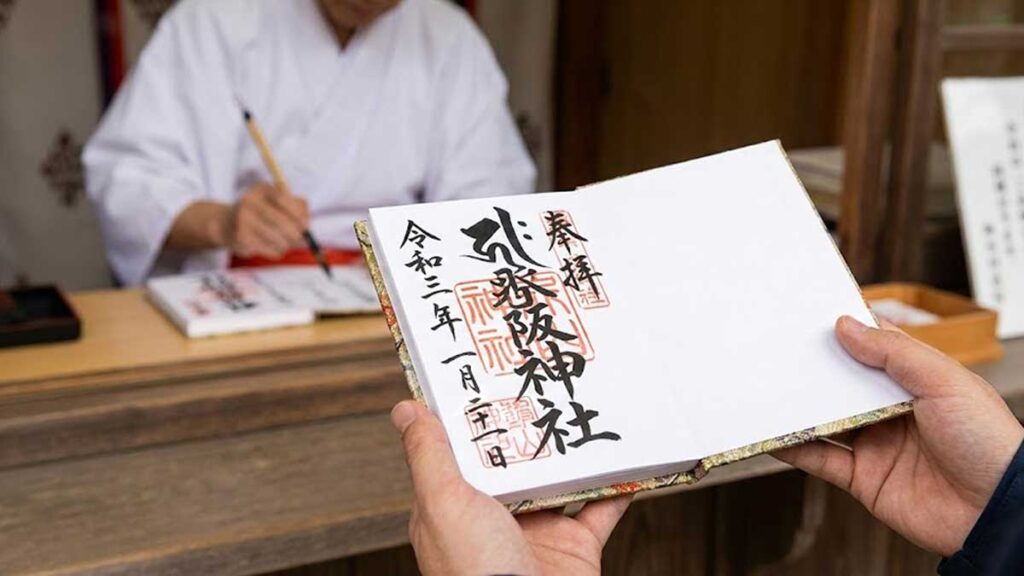
Get a “Goshuin” Souvenir
If you have a Goshuin-cho (Stamp book), you can get a beautiful handwritten stamp here.
Step 5: Head Back to the Airport
Be careful not to miss your flight! We recommend arriving back at the airport at least 2 hours before your international flight departure.
- Train: JR Narita or Keisei Narita Station -> Narita Airport
- Time: 10 minutes
Enjoy your short trip to Japan!
Read Next:


Comments